Both sides of the decision
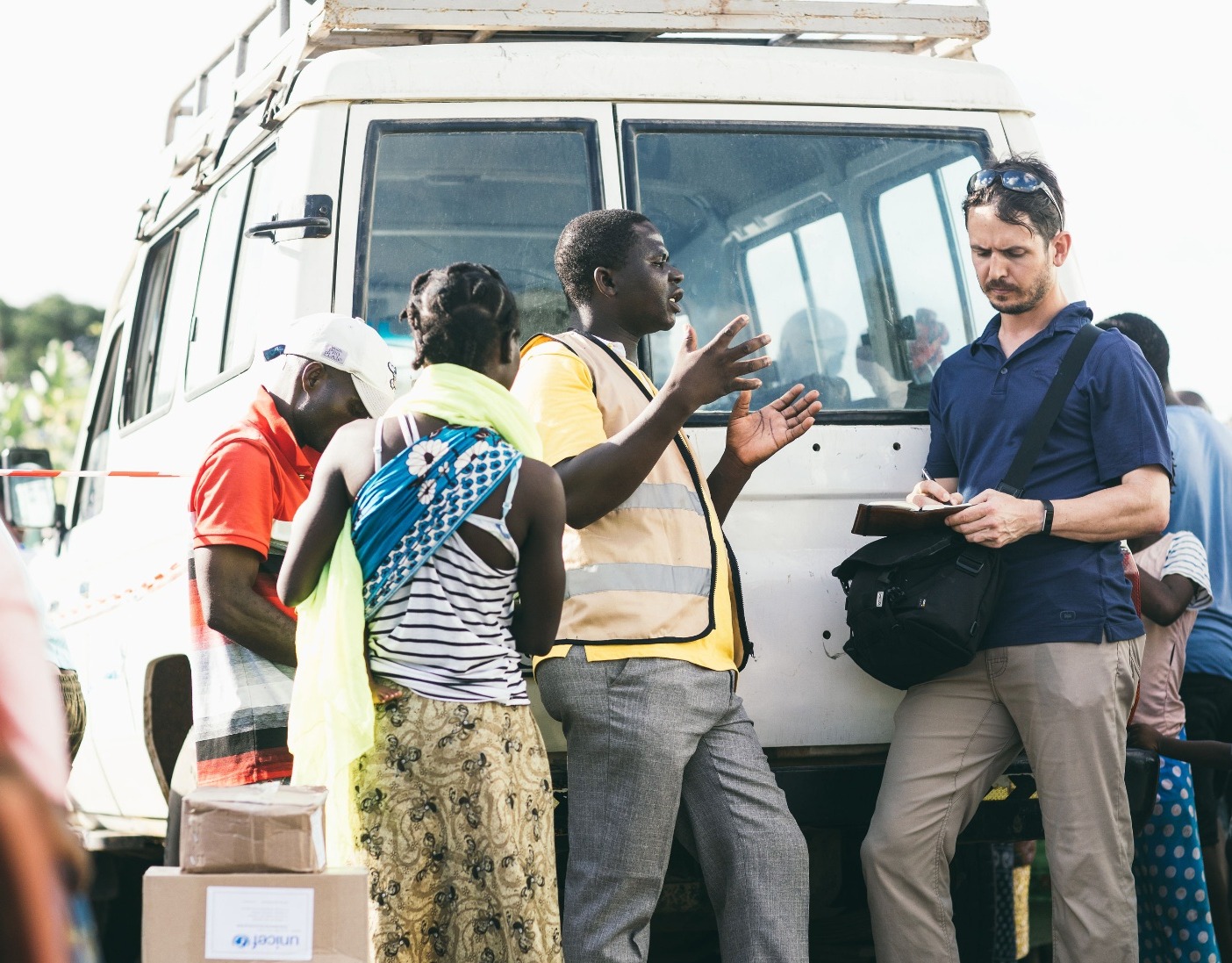
For most of my career I was the person your program director is now: the one deciding whether a program should start, continue or stop somewhere difficult, and then defending that call to headquarters. I was country director in Sudan during the Darfur crisis, interim country director in Eritrea and South Sudan, and regional coordinator for emergency response across eight country offices and 1,300 staff in East and Southern Africa. In South Sudan that meant running an internal audit through a leadership crisis, putting security plans in place for teams in Juba and Malakal, and negotiating with military commanders and community leaders to keep programs open.
Then I spent six years on the other side of the table, on USAID's humanitarian response for Syria, a portfolio that reached as much as $800 million. When a whistleblower report put one of our partners under investigation by USAID's Inspector General, I was the field point of contact. Funding partners inside Syria depended on a US Treasury sanctions clearance renewed each year, and I fed the field case into it. For the last two years I led the response as Syria Team Lead: roughly $500 million a year through more than 30 UN and NGO partners, in a country where the US had no staff on the ground, through the fall of the Assad government. I also represented the US in building a pooled fund with the UK and other donors that channels money directly to Syrian organizations.
The two seats taught me the same lesson from opposite directions. Field teams usually understand the risk. What they lack is a documented basis that their executive team, board and donors can stand behind. Without one, decisions stall, or they get made by whoever is most willing to carry the blame.
Impact Signal exists to close that gap. I work with program and operations leaders at international NGOs on the risk and compliance decisions they make in fragile states, starting with a five-day diagnostic for a single decision. I am independent of any donor and any vendor. I don't run security training, provide escorts or sell threat feeds.
Field experience: Sudan, South Sudan, Eritrea, Iraq, Pakistan, Bangladesh, Mozambique, Indonesia, Nepal, and the Syria cross-border response from Türkiye.